



Common Furnace Problems Every Homeowner Should Know (And Quick Fixes That Work)
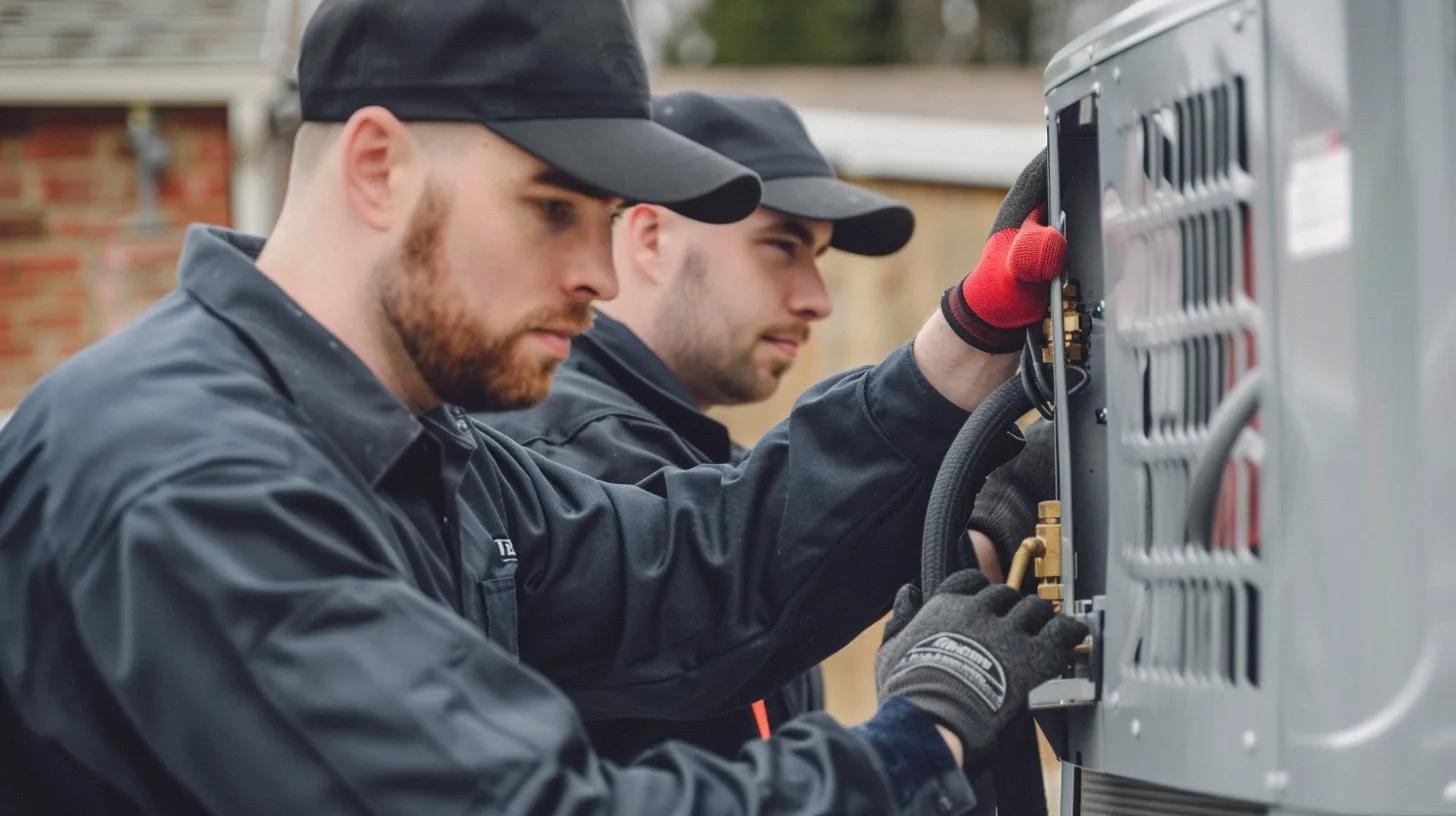
When winter hits hard, furnace problems show up fast: cold air from vents, constant short cycling, weak airflow, or a pilot light that won’t stay lit. The good news? Most issues start with simple, predictable symptoms that homeowners can spot early. This guide breaks down the most common furnace problems, the quick DIY checks you can safely try, and the clear warning signs that mean it’s time to call a professional.
Why Is Your Furnace Blowing Cold Air?
A furnace blowing cold air usually signals one of three key failures: airflow restriction, thermostat issues, or ignition problems. Reduced airflow from a dirty filter or blocked vents can cause the heat exchanger to overheat and shut off the burner, leaving only the blower running. Thermostat mode errors or weak batteries can stop a heat call entirely. In gas furnaces, a failed pilot or igniter means no combustion occurs even when the system appears powered.
Quick Checks You Can Do Right Now
Problem: Furnace blowing cold air intermittently
- Common cause: Dirty filter restricting airflow
- Quick fix: Inspect and replace the filter with the correct size and orientation
Problem: Continuous cold airflow
- Common cause: Thermostat set incorrectly
- Quick fix: Verify thermostat mode is “heat” and replace batteries if needed
Problem: No heating in the gas furnace
- Common cause: Pilot or igniter failure
- Quick fix: Check pilot/igniter status; follow safe relight steps per manufacturer instructions
Problem: Blower runs, but burner won’t ignite
- Common cause: Tripped safety switch or blocked venting
- Quick fix: Check furnace power and vents; do not tamper with sealed combustion parts
These quick checks often restore heat within minutes when the issue is filter or thermostat-related. However, if the blower still only circulates cold air after these steps, or if you smell natural gas or notice yellow flames or soot, leave the area and contact emergency professional help immediately. For persistent cold air issues, schedule professional furnace repair to diagnose and resolve the problem safely.
Troubleshooting a Furnace That Won’t Heat
When a furnace produces no heat at all, a structured approach helps isolate the problem while maintaining safety:
- Verify safety first: Confirm there’s no gas odor and that carbon monoxide detectors are functioning
- Check electrical: Inspect the breaker and furnace power switch
- Examine thermostat: Verify correct mode, programming, and battery condition
- Inspect airflow: Check filters and vents for severe blockage
- Confirm ignition: Examine pilot or igniter operation, depending on furnace type
This staged approach prevents wasted diagnostic steps and makes it clear when a professional repair call is required.
Common Reasons for a Furnace Not Turning On
Furnaces that won’t turn on often fail due to electrical issues, thermostat problems, or safety interlocks. Check for a tripped breaker or switched-off furnace first. Thermostat faults, like incorrect settings, wiring issues, or dead batteries, can make the furnace appear dead. Safety switches may also trip if the system overheats or detects unsafe combustion.
Recognizing and Fixing Furnace Short Cycling
Short cycling, frequent on/off cycles that never complete a full heat cycle, reduces efficiency and accelerates component wear. A short-cycling furnace may run for only a few minutes before shutting off, usually because the system overheats from restricted airflow or because a thermostat senses the setpoint too close to the heat source.
What Causes Short Cycling?
Short cycling happens when your furnace turns on and off too quickly due to:
- Restricted airflow from dirty filters or closed vents
- Misreading the thermostat near heat sources or sunlight
- Safety shutoffs from overheating
- Oversized system reaching temperature too quickly
Quick Fixes to Stop Short Cycling
- Replace or clean the furnace filter and confirm airflow through all registers
- Relocate or shield thermostats that sit near lamps, sunny windows, or heat-emitting appliances
- Ensure all vents are open and unobstructed to balance air distribution
If cycling continues after these steps, arrange for professional evaluation of system sizing, control calibration, and heat exchanger integrity. Regular furnace maintenance can prevent short cycling before it damages your system.
The Impact of a Dirty Furnace Filter
A dirty furnace filter reduces airflow, increases energy consumption, and contributes to short cycling and uneven heating. Typical signs include:
- Reduced airflow from supply vents
- Rising heating bills
- Furnace running longer than normal
- Visible dust or discoloration on the filter surface
How to Replace a Furnace Filter
Replacing a furnace filter is straightforward:
- Turn off furnace power and locate the filter slot
- Remove the old filter and confirm the replacement size
- Install the new filter with the correct airflow direction (arrow pointing toward the furnace)
- Record the replacement date for future reference
Regular filter changes, typically every 1-3 months during heating season, prevent many performance and safety issues.
Pilot Light Problems in Gas Furnaces
Pilot light or ignition problems present obvious visual clues but also pose safety risks. A pilot that flickers, burns yellow, produces soot, or goes out repeatedly indicates combustion instability or component wear, such as a failing thermocouple or clogged burner orifice.
Safe Steps to Relight a Pilot Light
When manufacturer instructions permit homeowner relighting:
- Turn off the gas control valve and wait the recommended period (usually 5 minutes) for accumulated gas to disperse
- Follow the furnace manual’s exact lighting sequence, usually holding a control in the “pilot” position
- Observe the flame for stability and color; a healthy pilot burns steady blue
If the pilot won’t stay lit or there’s any gas smell, turn off the gas and call a licensed technician immediately.
When to Call a Professional
Call a professional immediately if you notice:
- Natural gas odor or a persistent carbon monoxide alarm
- Burning or electrical smells
- Visible heat exchanger cracks
- Persistent short cycling or unusual noises after DIY fixes
- Yellow pilot flame or soot around the burner
Licensed technicians can safely handle combustion analysis, heat exchanger inspections, gas valve repairs, and advanced diagnostics. Early repair protects your safety, preserves warranties, and often prevents costly full-system replacements. If your furnace is 15-20 years old or requires frequent repairs, it may be time to explore furnace installation options for a more efficient system.
Stay Proactive This Winter, with Precision Air Heating & Cooling
Most furnace problems start with predictable symptoms that homeowners can catch early. Simple DIY checks like thermostat settings and filter inspection solve many issues, but knowing when to call a professional makes all the difference for safety, comfort, and long-term savings. Regular checkups are crucial; schedule annual furnace maintenance or repair before the heating season and check filters monthly during heavy use. This proactive approach keeps your furnace efficient and reliable throughout winter.
