





Mastering OASIS Documentation: Essential Resources for Home Health Providers
Outcome and Assessment Information Set (OASIS) documentation is a critical component in home health care, affecting patient care, reimbursement, and quality reporting. As home health providers strive to deliver exceptional care while ensuring regulatory compliance, understanding OASIS is paramount. The complexity of OASIS can often be daunting, but with the right knowledge and resources, it can be mastered efficiently. Keep reading for a comprehensive guide to the essentials and how ioHealth’s AI improves home health OASIS documentation, training resources, technological advances, and strategies for continuous quality improvement.
Understanding OASIS Documentation in Home Health Care

The OASIS data set is designed for patients receiving skilled services from a home health agency under a physician’s plan of care. This data informs several aspects of home health care, including quality and care planning. OASIS documentation captures patient data across the care continuum, from initial assessment through discharge.
Accurate and thorough OASIS documentation is crucial as it impacts the quality of care and drives reimbursement rates from Medicare and other payers. Clinicians must be adept at evaluating patients and translating their observations into correct OASIS responses. Errors or inaccuracies can lead to adverse outcomes for both patients and home health agencies.
With ongoing changes to OASIS guidelines, it is essential for home health professionals to stay current. Frequent updates to the OASIS data set require continual learning and adaptation. Adequate training and resources are critical to ensure clinicians understand and can apply these changes effectively.
Completing OASIS assessments involves understanding a wide range of data points, from patient demographics to clinical status. Providers must consider multiple factors that influence a patient’s health and the provision of home-based services, making documentation a detailed, comprehensive process.
Navigating OASIS-C2 Updates and Compliance Requirements

OASIS-C2 represents a significant update emphasizing accuracy in clinical assessment and data capture. It was implemented to improve the clarity of OASIS items and enhance data quality. Understanding the specific changes in OASIS-C2 is essential for compliance and for ensuring appropriate patient outcomes.
Compliance with OASIS documentation standards is monitored by the Centers for Medicare & Medicaid Services (CMS). CMS conducts regular data audits and can levy penalties for non-compliance. This makes it imperative for home health agencies to educate their staff on the latest OASIS-C2 requirements and ensure their documentation practices meet these standards.
Ensuring compliance requires a thorough understanding of the new OASIS-C2 items and their intended use. Clear, consistent training sessions should be conducted to disseminate this vital information among clinical staff to mitigate risk factors associated with non-compliance.
Considering the legal and financial implications, home health agencies should implement thorough review processes for OASIS documentation. Peer reviews, audits, and continuous feedback are crucial for maintaining compliance and improving the overall quality of patient care reporting.
Essential OASIS Training Resources for Home Health Staff
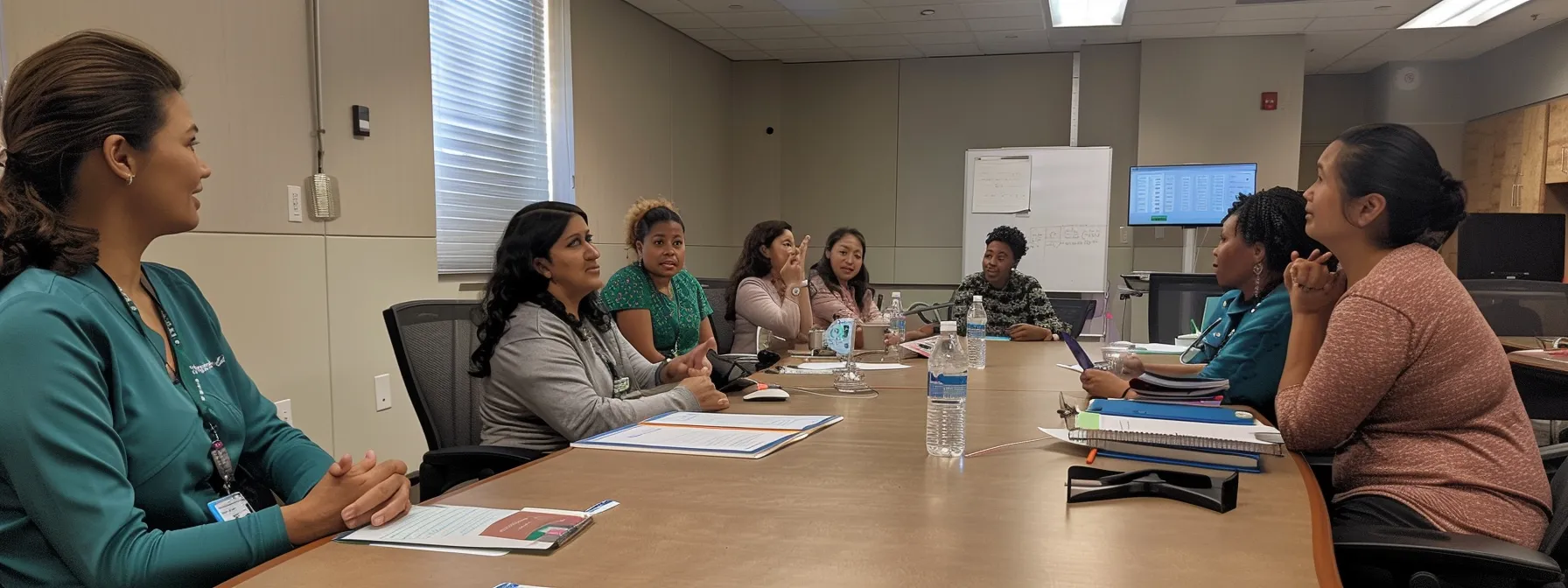
Training is a cornerstone of effective OASIS documentation. Educational resources come in many forms, including in-person workshops, webinars, and self-paced online courses. These resources are tailored to meet the diverse learning preferences of home health staff and to accommodate varying schedules.
Many professional organizations offer specialized training programs for OASIS certification. These programs are designed to improve clinicians’ assessment skills and knowledge of the OASIS items. By achieving certification, providers showcase their commitment to excellence and accuracy in patient assessments.
In-house training can be highly beneficial. It allows staff to ask specific questions and receive immediate feedback on their patient caseloads. These sessions provide clinicians with an opportunity to thoroughly discuss and explore patient scenarios and the associated OASIS documentation requirements.
Engaging in regular training and refreshers is critical as OASIS evolves. Home health providers should encourage ongoing education to ensure clinicians remain well-informed about the latest OASIS iterations and continue to deliver top-notch care and documentation.
The nuances of OASIS documentation in home health care necessitate a multifaceted strategy for effective management. This includes staying abreast of regulatory updates, investing in comprehensive staff training, adopting technology to improve data accuracy, and fostering a culture of continuous quality improvement. By implementing these strategies, home health providers can ensure the highest standards of patient care and documentation excellence.
